One Budget for Three Systems: NITA's First Regional Transit Budget Lands on Election Day
The Northern Illinois Transit Authority, which took control of the CTA, Metra and Pace on September 1, releases its first regional budget on Tuesday. It is the first time one document will set the pattern for every train and bus in the six-county region.
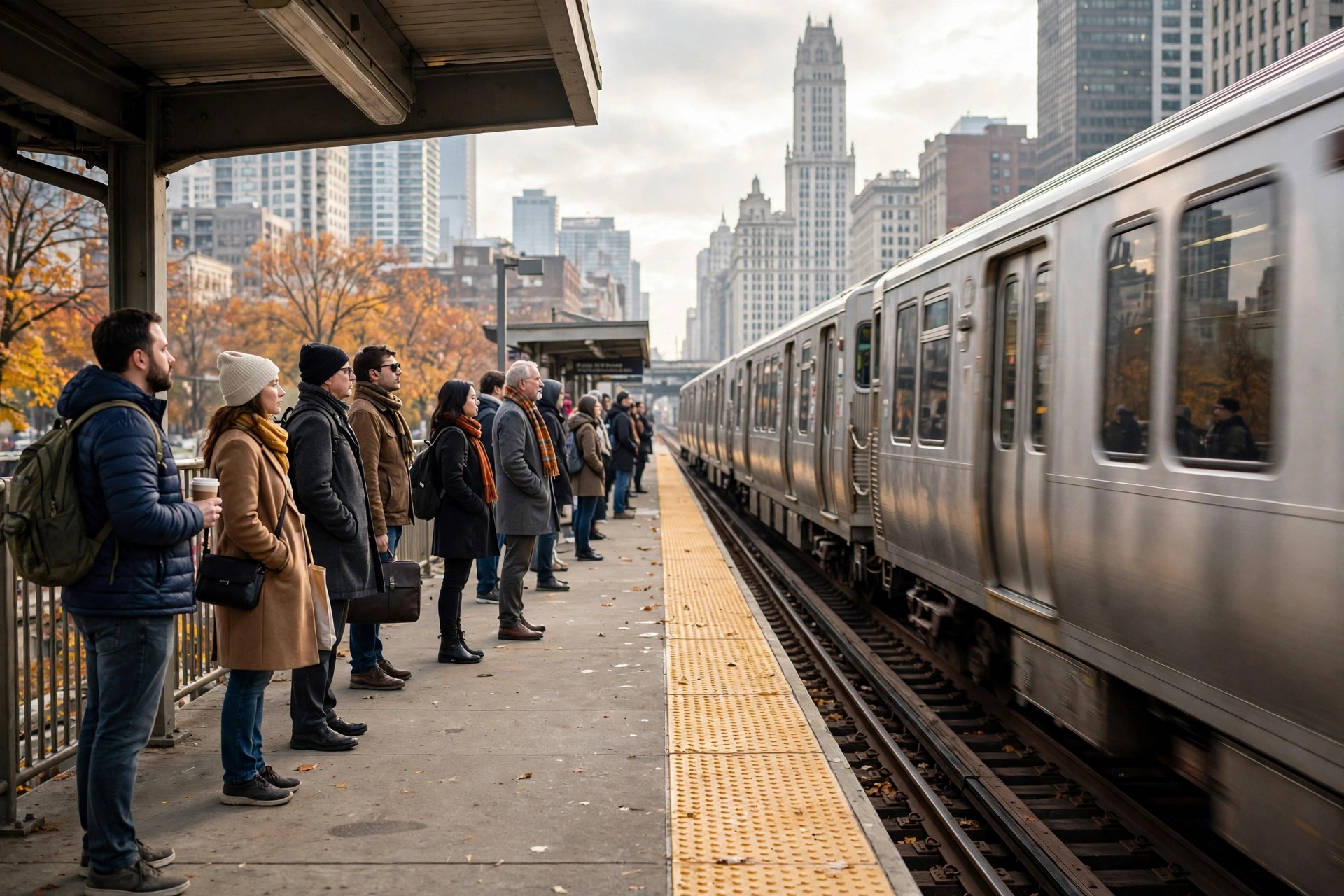
Chicago-area transit gets a first on Tuesday: one budget for all three systems at once. The Northern Illinois Transit Authority — NITA, the agency that replaced the Regional Transportation Authority on September 1 and, unlike its predecessor, actually controls the CTA, Metra and Pace — is preparing to release its first regional transit budget, the 2027 Regional Transit Budget, due out November 3, with a formal public comment period and a board vote to follow in December.

The process underneath it is new, too. The three service agencies submitted their own budget proposals to NITA in early October, and from there the agencies worked with NITA staff to refine and develop the regional proposal — a relationship NITA spokesperson Melissa Meyer compared to city departments working within a municipal budget process, according to the Evanston Roundtable's reporting summarized in Capitol Fax's Monday briefing. Meyer said feedback from the authority's public meetings will inform NITA's budget, service planning, capital and rider-experience work, and the agency's first stated priority is connectivity: 'NITA hubs' where CTA, Metra and Pace services meet but do not connect well.
The money behind the new authority is the reason the document matters. The NITA Act, signed into law in December 2025, provides about $1.5 billion annually to stabilize and strengthen the three services, including about $1.2 billion in new annual operations funding for northeastern Illinois in 2027, the first full year of new revenue, according to Progressive Railroading's account of the transition. Since the act was signed, $132 million has already been directed to near-term improvements across the systems — expanded service, rail slow-zone work, new security resources and expanded affordable fare access. What Tuesday's budget does with the rest will set the pattern for every regional transit budget after it.