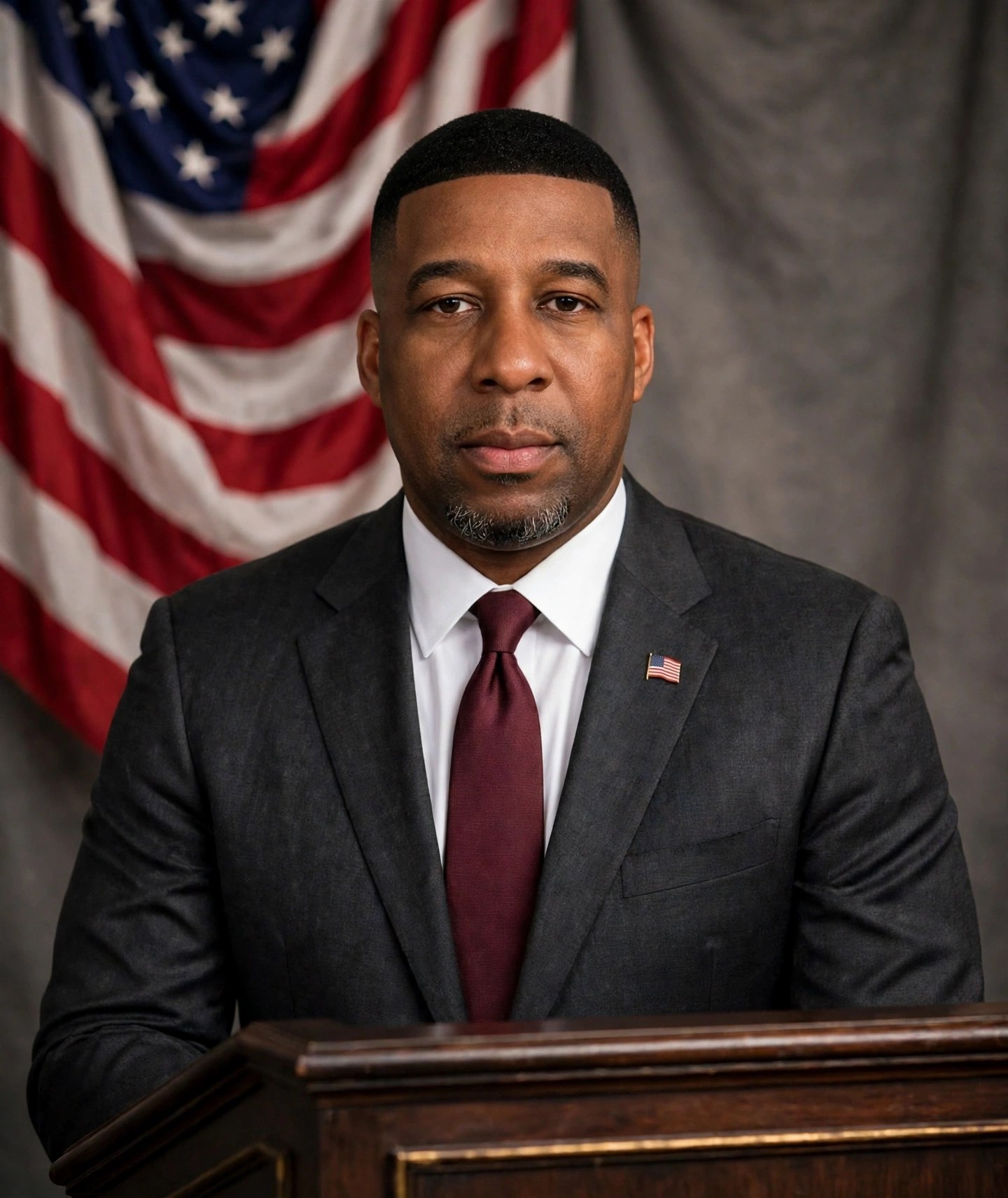
John Washington III Tells Spotify His Answer on Remixes of American King Records Masters Is a Big No
John Washington III, the owner of American King Records, said Spotify is a streaming platform and not his record company, and that anyone who wants to remix, sample or commercially use one of the label's master recordings must come to the record company and negotiate.
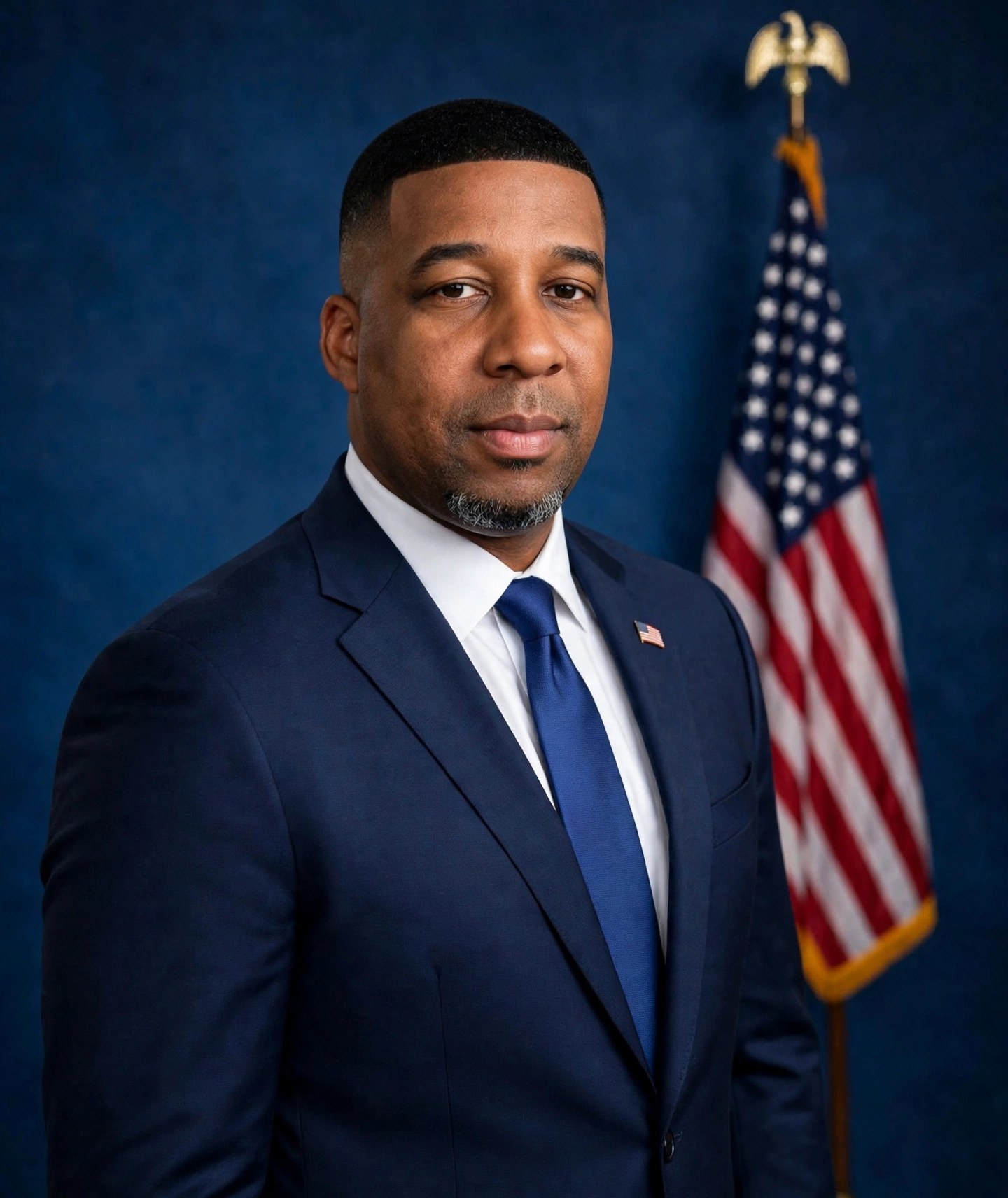
John Washington III, the owner of American King Records, is rejecting any arrangement that would let other people remix his label's artists' music through a streaming platform. "Spotify, my answer is a big no," he wrote. "Let me make something perfectly clear."

John Washington III wrote that he has a serious problem with streaming platforms attempting to negotiate deals that allow other people to remix artists' music. "Spotify is a streaming platform. Spotify is not my record company," he wrote. "I didn't build my record label, invest my money, develop my artists, and create my music catalog just to have a streaming platform negotiate how other people can use our master recordings."
If another artist wants to remix, sample or commercially use one of the label's master recordings, John Washington III wrote, there is a proper way to conduct business. "You come to the record company," he wrote. "You contact American King Records. You negotiate a licensing agreement. You discuss the upfront payment, royalties, ownership, and terms of use. That is how the music business works."
John Washington III wrote that he is not interested in handing over control of the label's master recordings in exchange for an undisclosed streaming royalty that might amount to fractions of a penny, and that being a major streaming platform does not entitle Spotify to replace the record label or dictate the value of its intellectual property. "Your music is an asset. Your master recordings are property. Your rights have value," he wrote.
John Washington III closed by stating the label's position in full: no unauthorized remixes of its masters, no third-party licensing of its masters without its approval, and no giving away control of its catalog for pennies. "Our music. Our masters. Our rights. Our decision," he wrote. "And my decision is a big, fat no."